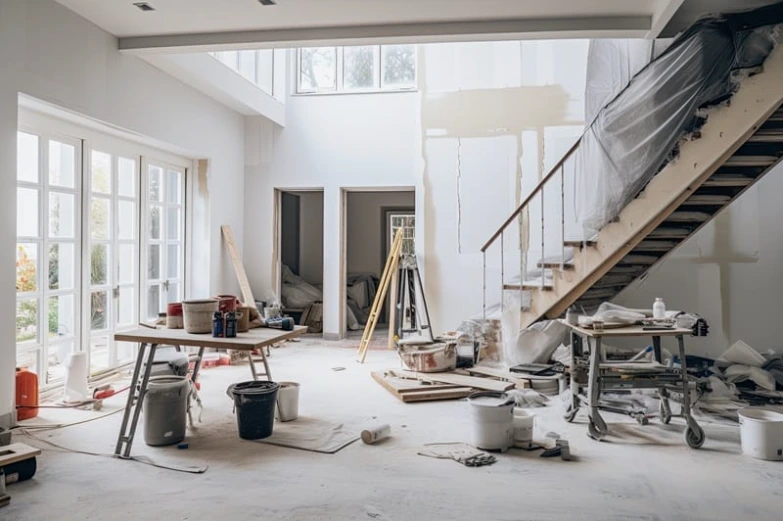
A home remodeling project can improve your home’s comfort, functionality, appearance, and value. But without proper planning, even a simple renovation can become stressful, expensive, and time-consuming. Before you start removing cabinets, choosing finishes, or hiring a contractor, it is important to understand the common mistakes homeowners make.
Whether you are planning a kitchen remodel, bathroom renovation, room update, tile installation, or complete home remodeling project, careful preparation can help you avoid unnecessary problems.
Here are 10 common mistakes to avoid before starting your home remodeling project.
1. Starting Without a Clear Remodeling Plan
One of the biggest mistakes homeowners make is starting work before deciding exactly what they want to accomplish.
Before contacting a remodeling contractor, think about:
- Which areas of the home need improvement
- How you want the space to look and function
- Which features are essential
- Which upgrades would be nice to have
- Your expected project budget
- Your preferred timeline
A clear plan gives everyone a better understanding of the project and helps prevent costly changes later.
2. Setting an Unrealistic Budget
It is easy to focus only on the expected cost of materials and labor. However, remodeling can involve additional expenses such as structural repairs, plumbing or electrical updates, permits, and unexpected issues discovered during construction.
Create a realistic budget based on the scope of the project and leave room for unexpected expenses.
If your budget is limited, prioritize the improvements that will have the biggest impact. A professional remodeling contractor can also help you understand where your budget may be best spent.
3. Choosing a Contractor Based Only on Price
Getting multiple estimates is a smart way to understand the potential cost of your project. However, choosing the lowest estimate simply because it is cheaper can sometimes create problems later.
When comparing remodeling contractors, consider more than price. Look at their experience, services, communication, project approach, and previous work.
A good contractor should clearly explain what is included in the estimate and help you understand the project before construction begins.
4. Failing to Research the Contractor
Your remodeling contractor will have a major influence on the quality and experience of your project.
Before hiring someone, take time to research the company. Review its website, previous projects, customer feedback, services, and experience with projects similar to yours.
Ask questions about the remodeling process, expected timeline, materials, and communication. You should feel comfortable discussing your project with the contractor before work begins.
5. Changing the Design Too Often
Making changes during construction can affect your budget and timeline. Even a seemingly small change may require additional materials, labor, or adjustments to work that has already been completed.
Try to finalize major design decisions before construction begins. This includes items such as:
- Cabinet styles
- Countertops
- Flooring
- Bathroom fixtures
- Tile
- Paint colors
- Lighting
- Appliances
Taking time to make these decisions early can make the remodeling process much smoother.
6. Ignoring the Function of the Space
A remodeling project should not only make your home look better. It should also make the space work better for your daily life.
For example, a beautiful kitchen may still be frustrating if there is not enough storage or the layout makes cooking difficult. A bathroom may look modern but lack practical storage or convenient access.
Think about how you currently use the space and what problems you want the remodel to solve. Good remodeling decisions should balance appearance, comfort, storage, accessibility, and functionality.
7. Choosing Materials Without Considering Your Lifestyle
The most attractive material is not always the best choice for every household.
When selecting flooring, countertops, cabinets, tile, fixtures, and other finishes, consider how the space will be used.
For example, a busy family may need materials that are easy to clean and maintain. A homeowner planning to remodel a rental property may have different priorities from someone designing a primary residence.
Discuss your lifestyle and maintenance preferences with your remodeling contractor before making final material selections.
8. Overlooking Necessary Repairs
A remodeling project is often an opportunity to address problems that may otherwise remain hidden.
Older homes may have outdated plumbing, electrical components, damaged drywall, water issues, or other conditions that should be addressed before new finishes are installed.
Covering an existing problem with new materials does not make the problem disappear. During the planning stage, ask your contractor to look for potential issues that could affect the project.
Addressing important repairs early can help protect your investment.
9. Forgetting About the Remodeling Timeline
Many homeowners underestimate how long a remodeling project can take.
The timeline may depend on the size of the project, material availability, design changes, permits, inspections, and unexpected construction issues.
Before work begins, discuss the expected schedule with your contractor. Ask about major project stages and what could potentially cause delays.
Having realistic expectations can make it easier to plan around the remodeling work.
10. Trying to Manage Everything Without Professional Help
It can be tempting to handle parts of a remodeling project yourself to save money. While some homeowners are comfortable with small DIY improvements, larger remodeling projects can involve multiple trades, construction requirements, materials, and scheduling challenges.
A professional remodeling company can coordinate the different parts of the project and help keep the work organized.
For larger renovations, working with an experienced contractor can also give you one point of contact for planning, construction, and project communication.
How to Prepare for a Successful Home Remodeling Project
Avoiding common mistakes starts with preparation. Before construction begins, make sure you understand your goals, budget, materials, timeline, and contractor responsibilities.
It is also helpful to prepare a list of questions before meeting with remodeling companies. Ask about the services they provide, previous projects, estimated timelines, materials, and how they handle unexpected issues.
The more clearly you communicate your expectations, the easier it is for your contractor to understand your vision.
Why Choose Joe Construction and Remodeling?
Planning a remodeling project is a major decision, and having the right contractor can make the process easier to manage.
Joe Construction and Remodeling provides remodeling services designed to help homeowners improve and update their living spaces. From individual room renovations to larger home improvement projects, the company can help homeowners plan their remodeling goals and bring their ideas together.
Whether you are considering a kitchen remodel, bathroom remodeling, tile installation, interior updates, or a larger home renovation, professional planning can help you make informed decisions before construction begins.
If you are ready to discuss your remodeling ideas, contact Joe Construction and Remodeling to learn more about your options and plan your next home improvement project.
Frequently Asked Questions
How early should I plan a home remodeling project?
Start planning before you want construction to begin. Give yourself enough time to define your goals, establish a budget, select a contractor, make design decisions, and choose materials.
How much should I budget for unexpected remodeling costs?
The amount can vary depending on the age and condition of your home and the type of remodeling project. It is generally wise to keep some additional funds available for unexpected repairs or changes.
Should I hire a contractor before choosing materials?
In many cases, speaking with a remodeling contractor early can be helpful. A contractor can provide practical guidance about materials, project requirements, installation, and how your selections may affect the budget.
What is the biggest mistake to avoid during a home remodel?
Poor planning is one of the most common problems. Having clear goals, a realistic budget, finalized design decisions, and an experienced contractor can help reduce avoidable issues.
Is remodeling better than moving?
It depends on your home, budget, needs, and long-term plans. If you like your location but your home no longer fits your lifestyle, remodeling may allow you to improve the space without moving.